
Portable Rink Systems That Perform Anywhere
A rink does not have to be permanent to be serious. The best portable rink systems give athletes a place to work, families a reason to move, and commercial operators a skating attraction they can install without refrigeration, water, or a seasonal weather forecast. But portability should never mean settling for a surface that feels slow, separates under pressure, or creates more work than skating time.
For a hockey player, a portable rink can mean 20 extra minutes of puck control after school. For a goalie, it can mean repeatable crease movement without waiting for ice time. For a mall, recreation department, or event company, it can turn available floor space into a revenue-generating attraction. The difference comes down to the engineering behind the panels, the connections, and the plan for how the rink will be used.
What Portable Rink Systems Actually Need to Do
A portable rink is more than a collection of panels that can be picked up and moved. It needs to create a flat, stable skating surface that stands up to sharp turns, stops, pucks, foot traffic around the perimeter, and repeated assembly. If the rink is intended for training or public use, it must also preserve consistent glide from one panel to the next.
That is where many low-cost systems fall short. A panel may look acceptable when it is first placed on the floor, but poor material quality or loose panel connections can become obvious once skaters start working edges. Gaps, uneven seams, and panel movement interrupt stride mechanics and make puck handling less predictable. Those are not minor inconveniences when the goal is to get better, faster.
A high-performing portable system should be designed around three priorities: skating quality, structural stability, and practical setup. Each matters on its own. Together, they determine whether the rink becomes a regularly used training asset or an expensive surface that spends most of its time stored away.
Start With the Skating Surface, Not the Sales Pitch
Synthetic ice does not all perform the same. The resin composition, molecular weight, pressing method, surface finish, and manufacturing consistency all influence friction and durability. A panel can be marketed as synthetic ice while still delivering a slow, inconsistent feel that frustrates athletes accustomed to real ice.
For serious hockey and figure skating use, low friction matters. Better glide allows skaters to practice proper body position, edge control, crossovers, transitions, and stopping mechanics with less compensation. A surface that grabs excessively may force athletes into short, choppy strides, which is the opposite of productive repetition.
Look for sinter-pressed, high molecular weight material rather than panels made for basic temporary flooring. Sinter pressing helps create a dense, consistent surface engineered for repeated skating. It is a meaningful distinction for facilities and families that expect years of use, not a single holiday activation.
The practical test is simple: ask what the surface will feel like after hundreds or thousands of skating sessions. A portable rink system should retain usable glide with routine cleaning and appropriate maintenance. It should not require constant work just to remain skateable.
Connections Control the Feel Underfoot
A quality panel is only part of the rink. The connection system determines whether individual panels act like one skating surface or behave like separate tiles. Skaters can feel weak connections immediately, especially during hard stops, lateral pushes, and puck drills.
A secure interlocking design keeps seams tight and limits shifting. It also speeds up installation because crews are not improvising ways to hold the floor together. For commercial operators moving a rink between events, that time savings has real value. Fewer installation hours mean lower labor costs and a faster path to opening day.
The best connection systems also make panel replacement manageable. If a section experiences unusual wear or damage, operators should be able to address that area without dismantling the entire rink. That is especially relevant for high-traffic public installations, where maintaining a professional appearance protects the customer experience.
Match the Rink to the Job
Portable does not mean one-size-fits-all. A backyard shooter pad extension, a full home skating rink, a goalie training lane, and a shopping center attraction have different requirements for size, traffic, barriers, and installation frequency.
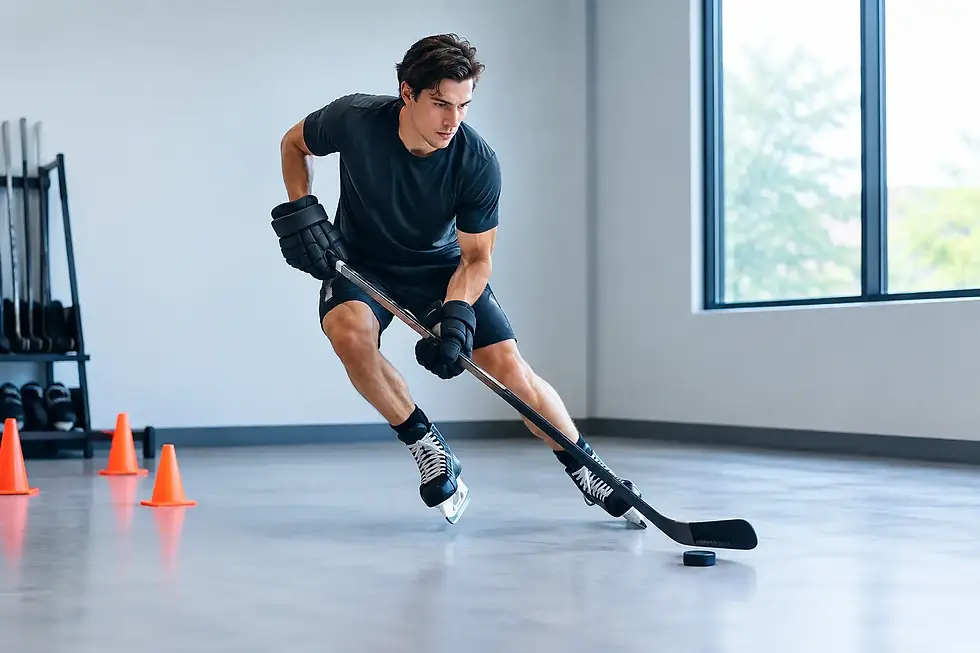
A hockey family may prioritize a layout that fits a garage, basement, or level patio. The objective is frequent access: skating before practice, shooting drills after homework, or weekend sessions without booking arena time. In this setting, a compact rink with room for stride work, passing, and shooting can produce far more value than a larger surface that is difficult to set up or maintain.
A competitive skater may need a cleaner open area for turns, spins, and edge exercises. A goalie trainer may need enough length for crease movement, slides, recoveries, and repeated technical patterns. These uses demand reliable panel alignment because even a slight surface inconsistency can break rhythm during high-repetition drills.
Commercial projects require a broader view. A portable rink for a mall, community event, or training center must account for anticipated daily attendance, skate rental flow, entry and exit points, spectator space, safety barriers, cleaning procedures, and storage between seasons or activations. The surface must look polished, but it also has to keep performing after long days of use.
Setup Speed Matters, but Floor Preparation Matters More
One reason buyers choose a portable system is the ability to install it where refrigerated ice is impractical. That flexibility is powerful, but it does not remove the need for a suitable base. The underlying floor should be clean, dry, level, and stable. Concrete, finished indoor flooring, and properly prepared platforms can all work, depending on the system and setting.
Do not treat uneven ground as a minor issue. Synthetic panels follow the surface underneath them. If the base has dips, debris, or significant slopes, skaters will feel it. Poor preparation can also place unnecessary stress on panel connections.
Before installation, measure the space carefully and allow room for the intended activity. A rink that technically fits may still be cramped once boards, gates, benches, protective netting, or spectators enter the picture. For event operators, map the entire guest journey, not just the skating area. A clean queue, clear rules, and an organized skate return area can matter as much as the rink itself.
SmartRink systems are designed to make year-round skating practical without sacrificing the performance-focused feel athletes expect. The right consultation begins with the use case, available footprint, and desired setup schedule, then builds the rink around those realities.
Maintenance Is Part of Performance
Synthetic ice eliminates the need for refrigeration, resurfacing water, and Zamboni operations. It does not eliminate maintenance. The good news is that care is straightforward when the rink uses quality material and the operator follows a consistent routine.
Dust, debris, and skate shavings increase drag. Regular sweeping or vacuuming keeps the surface cleaner and helps preserve glide. Periodic washing with appropriate cleaning methods removes buildup that ordinary dry cleaning may leave behind. High-use commercial installations need a defined maintenance schedule, while a home rink can usually be maintained around family usage.
Skate blades also deserve attention. Dull or damaged blades can make any surface feel worse, reduce control, and leave more material behind. Athletes should use clean, properly sharpened skates and avoid tracking grit onto the rink from adjacent areas.
There is a trade-off worth considering. A lightweight, bargain panel may be easier to move initially, but if it wears quickly or requires frequent adjustment, it becomes the harder system to own. A premium portable rink is an investment in usable repetitions, lower disruption, and a better experience for every skater who steps on it.
Questions to Ask Before You Buy
The strongest purchase decision comes from asking performance questions, not just comparing price per square foot. How does the material achieve low friction? What type of panel connection prevents separation? Can the system be reconfigured for a new location? How does it handle high-traffic public skating? What maintenance is realistically required? Is technical guidance available for sizing, installation, and commercial layout?
Also ask what success looks like in your setting. If you are a parent, success may be seeing your player use the rink four times a week. If you manage a facility, it may be higher programming capacity and dependable training access. If you operate events, it may be fast setup, strong guest flow, and an attraction that earns its footprint.
Portable rink systems are at their best when they remove the barriers between a skater and productive ice time. Choose a surface built to perform, prepare the space correctly, and give every session a reason to count.

Comments