Residential Synthetic Ice Solutions That Perform
- 1 day ago
- 5 min read
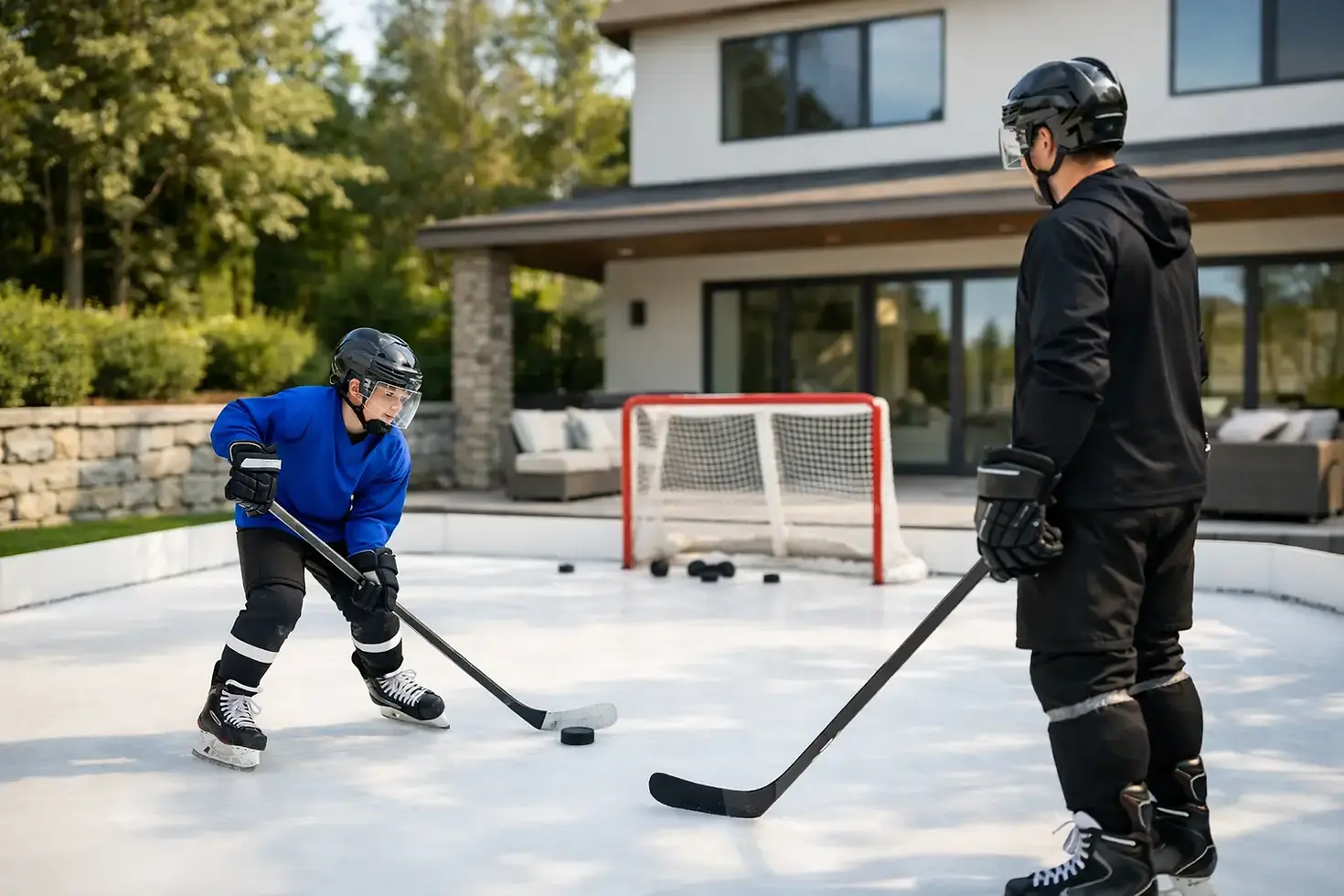
A missed ice slot should not mean a missed training day. The best residential synthetic ice solutions give hockey players, goalies, figure skaters, and active families a reliable place to work on the skills that improve through repetition: skating stride, edge control, puck handling, shooting, passing, and balance.
A home rink is not simply a backyard novelty. When the surface has the right glide, panel stability, and durability, it becomes a training advantage that is available before school, after practice, and throughout the off-season. The difference comes down to choosing a system built for skating performance, not a low-cost plastic floor marketed as ice.
What a Residential Synthetic Ice Rink Should Deliver
A residential rink has to serve real life. It may need to fit in a garage, basement, backyard, barn, or dedicated training room. It must handle hockey pucks, skates, changing temperatures, and repeated use without becoming a frustrating maintenance project.
Most buyers begin with size, but surface quality should come first. A larger rink with poor glide can discourage practice. A compact training surface that skates smoothly can support hundreds of purposeful repetitions in a short session. For a young hockey player, that may mean stickhandling in a tight area, taking 50 shots before dinner, or practicing stops and starts without waiting for public ice time.
High-performing synthetic ice is engineered to reduce friction while remaining strong enough to support skate blades and concentrated foot pressure. Quality starts with the resin, how the material is pressed, the thickness of the panel, and the way panels connect. Those details determine whether a rink feels stable underfoot and whether the skating experience continues to perform after years of use.
Start With the Training Goal, Not the Panel Count
The right layout depends on who will use the rink and what they need to practice. A hockey family may get more value from a rectangular shooting and stickhandling lane than from trying to recreate a full rink in limited space. A goalie benefits from enough room to move laterally, drop into the butterfly, recover, and track pucks. Figure skaters need clear space for edges, turns, spins, and controlled footwork.
For many homes, a garage installation is the practical choice. It provides a level, protected area and makes year-round access easy. Basements can work well for skill development when ceiling height and access are adequate. Outdoor installations create more room, but the base must be properly prepared and the chosen panels must be suited to exposure, drainage, and temperature changes.
Before selecting dimensions, measure the usable area rather than the room itself. Account for storage, doors, posts, workout equipment, shooting nets, and a safe margin around the skating zone. Think about how the athlete will enter the space wearing skates and where pucks will go when a shot misses the net.
Why Material and Manufacturing Matter
Synthetic ice is often described as a single product category. It is not. Two white panels can look similar in a photo while delivering very different skating results.
Performance-oriented panels use high molecular weight polyethylene engineered for strength and low friction. At SmartRink, sinter-pressed high molecular weight resin is central to the product approach because the manufacturing method supports a dense, durable skating surface. That matters when athletes use the rink frequently and expect consistent glide rather than a surface that feels slow or wears unevenly.
Lower-grade panels may be made from less capable material or manufactured in ways that compromise density and surface consistency. They can be attractive because of their initial price, yet the trade-off often appears quickly: more resistance under skate, visible wear, loose connections, or a surface that feels less enjoyable to use. A home rink should motivate practice. If skating feels like hard work for the wrong reason, athletes will use it less.
The goal is not to claim that synthetic ice is identical to refrigerated ice. It is a different training surface, and blade care, skating technique, and expectations should reflect that. The goal is to choose the closest thing to real ice for the application, with enough glide to make quality practice productive and enjoyable.
Connection Systems Are Part of the Performance
A panel connection is not a minor installation detail. It affects the feel of every stride.
Panels that stay aligned create a smoother skating surface and reduce distracting movement at seams. A patented connection system can help maintain a tight, stable rink while still allowing panels to be installed, expanded, relocated, or stored when needed. That flexibility matters for homeowners who may begin with a small training zone and add space as an athlete's needs change.
Look for a system that installs cleanly on a level, solid base without requiring complicated permanent construction. The best residential setups feel secure during intense practice but do not turn a future move, renovation, or reconfiguration into a major project.
Maintenance Should Support More Ice Time
One of the strongest reasons to invest in residential synthetic ice solutions is freedom from refrigeration, flooding, resurfacing machines, and seasonal weather. That does not mean no maintenance. It means simpler maintenance that fits into a normal household routine.
Debris is the enemy of glide. Dust, grit, leaves, pet hair, and puck residue can increase friction and mark the surface. Regular sweeping or vacuuming, followed by cleaning with the appropriate non-abrasive products, keeps the rink skating well. Clean skate blades also matter. Dull or damaged blades can make any surface feel worse and can leave unnecessary marks.
Outdoor rinks require more attention because wind and weather bring more debris. They also benefit from a cover when not in use. A covered surface stays cleaner, looks better, and is ready for practice faster. For indoor rinks, a simple cleaning schedule is usually enough to protect the investment.
Avoid harsh solvents, aggressive scrubbers, and cleaning methods that can damage polyethylene. The surface should be maintained according to the manufacturer's recommendations, especially when a rink will be used heavily for shooting drills or by multiple skaters.
A Home Rink Changes How Athletes Practice
The real return on a synthetic rink is not measured only in square feet. It is measured in repetitions.
A player who can practice puck control for 15 focused minutes every day develops a different relationship with the puck than a player limited to occasional rink time. A goalie can sharpen movements and recoveries between team sessions. A young skater gains confidence because the place to learn is familiar, private, and available without a drive across town.
Parents also gain something valuable: convenience without lowering the standard. There is no need to coordinate arena schedules for every extra session. Practice can happen when motivation is high, not only when ice is available. That access creates consistency, and consistency is where skill development accelerates.
A residential rink can also be family infrastructure rather than a single-athlete purchase. Siblings can skate together, friends can play casual games, and parents can participate instead of watching from the stands. The best installations create both serious training time and the kind of spontaneous use that makes a home rink part of everyday life.
Choose for Long-Term Use, Not the Lowest Entry Price
Price matters, but it should be evaluated against performance life, maintenance demands, and how often the rink will actually be used. A cheap panel that needs early replacement or delivers poor glide is not a value. A premium system that encourages daily practice, remains stable, and holds up through years of skating can produce a much stronger return.
Ask direct questions before buying. What material is used? How is it manufactured? How thick are the panels? How do they connect? Is the rink designed for hockey shooting, skating, or both? What maintenance is required? Can the surface be expanded later? Clear answers reveal whether a supplier understands training performance or is simply selling plastic panels.
For families building an athlete's home advantage, the right rink is the one that gets skated on often. Choose a surface that makes the first stride feel worth taking, then let the daily repetitions do the rest.


Comments