
Retail Skating Event Ideas That Drive Traffic
A retail skating event can turn a slow concourse into the busiest part of a property. Families stay longer, children have a reason to return, and retailers benefit from the kind of foot traffic that does not disappear after a single photo. But the rink itself has to perform. If skating feels slow, crowded, or poorly managed, the attraction becomes a complaint instead of a revenue driver.
For malls, mixed-use centers, downtown retail districts, and event operators, synthetic ice makes seasonal and short-term skating possible without the cost, complexity, and location limits of refrigerated ice. The right plan turns that flexibility into a well-run experience that attracts visitors and protects the investment.
Start With the Business Goal, Not the Rink Size
A skating attraction can serve several purposes, but it should not try to do all of them equally. A holiday installation may be built to increase dwell time and create memorable family visits. A weekend activation may be designed around ticket revenue, sponsor exposure, or driving traffic to a new retail wing. A longer-running rink can support programming, private rentals, lessons, and recurring visits.
That decision shapes every other choice. A compact rink positioned near restaurants can encourage guests to extend a visit with food and drinks. A larger rink in a central plaza can become the visual centerpiece of an entire campaign. If the objective is ticket sales, capacity and efficient session turnover matter most. If the objective is retail traffic, ticketing may be only one part of the return.
Set measurable targets before selecting the footprint. Consider expected daily skaters, average session length, ticket price, anticipated retail lift, operating hours, and the number of private bookings needed to support the budget. A rink that looks impressive but processes too few skaters can leave money on the table. One that is oversized for the available demand adds cost without improving the guest experience.
Why Surface Performance Decides the Experience
Shoppers do not evaluate polyethylene chemistry. They evaluate whether skating feels good within the first few strides.
That is where commercial-grade synthetic ice separates itself from commodity panels. Lower friction supports a smoother glide, while dense, sinter-pressed material helps the surface stand up to repeated public use. Panel connections matter, too. Uneven seams, shifting sections, and poorly fitted edges create interruptions that guests feel immediately under their skates.
For an event operator, performance affects more than satisfaction. Better glide helps first-time skaters gain confidence. Confident skaters spend more time on the rink, are more likely to return, and are more likely to recommend the experience. A quality surface also supports a wider audience, from children using skating aids to experienced hockey players attending a themed skills event.
Synthetic ice does require maintenance. Skating creates shavings, and the surface needs regular cleaning to preserve glide and appearance. The trade-off is straightforward: choose a system designed for commercial traffic and maintain it consistently, or accept a lower initial price with a greater risk of declining performance during the event. For a public attraction, the first option is usually the stronger business decision.
Design a Retail Skating Event Around Guest Flow
The best rink placement is rarely the largest empty area on the site. It is the location that makes skating visible, accessible, and easy to connect with nearby businesses.
Place the check-in point where staff can control entry without creating a line across a major retail path. Give guests enough space to lace skates, store belongings, and wait for their session away from the rink exit. Skaters coming off the ice should move directly toward skate return, not back through incoming traffic. These details reduce congestion, improve safety, and keep the operation looking organized during peak periods.
Visibility is equally valuable. A rink hidden behind temporary walls may feel exclusive, but it loses the spectacle that convinces passing shoppers to stop. Clear sightlines, polished perimeter boards, purposeful lighting, and a visible schedule make the attraction feel active. The rink should create curiosity without blocking the retailers that benefit from its traffic.
Build Sessions for Capacity and Comfort
Timed sessions are usually the best operating model for a high-volume retail environment. They make staffing predictable, simplify online and walk-up ticketing, and allow teams to inspect the surface between groups. Shorter sessions can raise throughput, but they can also frustrate guests who need more time to get comfortable.
For family audiences, a 45- to 60-minute session often gives enough value without slowing turnover. For special programming, such as adult skate nights, youth hockey clinics, or figure skating demonstrations, longer blocks may be worthwhile. It depends on the audience and the commercial goal.
Do not fill the rink to its physical maximum just because tickets are selling. A crowded surface reduces glide, increases falls, and makes inexperienced skaters less likely to enjoy the experience. Establish a conservative capacity based on rink dimensions, typical user age, skating aids, and staff visibility. The goal is an energetic rink, not a chaotic one.
Make First-Time Skaters Feel Welcome
A retail audience includes many people who have not skated in years, along with children trying it for the first time. Clear rules, trained rink attendants, appropriately sized rental skates, and beginner aids can determine whether a family stays for the full session or asks for a refund.
Use simple signage that explains session times, age policies, safety expectations, and where to get help. Staff should actively manage the rink, not remain behind a counter. A quick orientation at entry can prevent common issues such as skating against traffic, sitting on the surface, or holding onto the boards in congested areas.
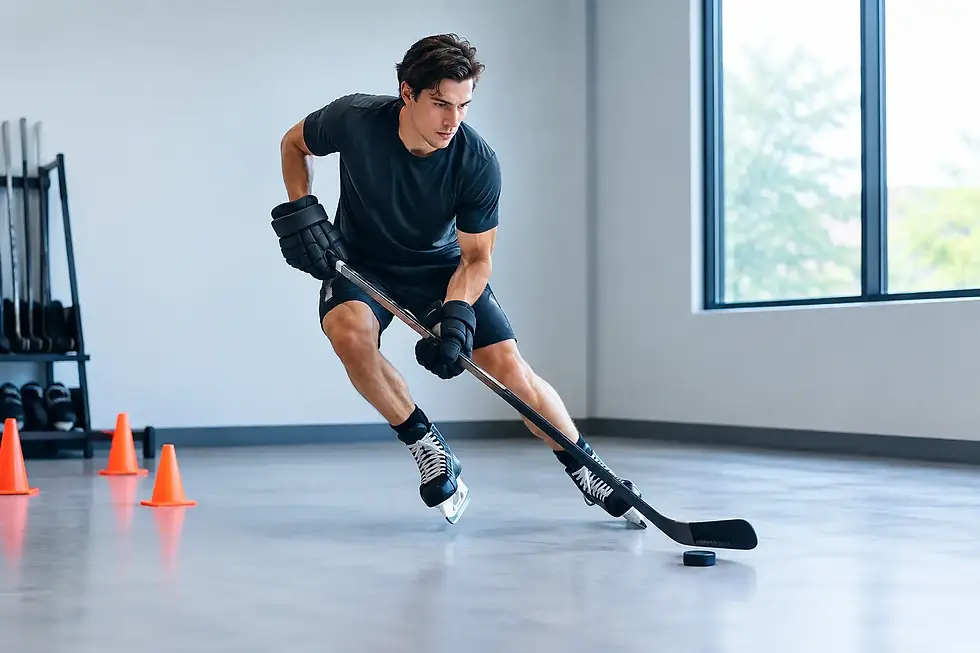
If the event attracts hockey families or local clubs, schedule dedicated skill periods separately from public sessions. Fast, experienced skaters and first-time families can share a rink only to a point. Purpose-built programming lets both groups get better value from the same installation.
Create Revenue Beyond Admission
Admission is the most obvious source of income, but a strong retail rink can produce value in several directions. Private parties, corporate outings, school groups, sponsor packages, skate rentals, and holiday photo moments can all contribute. Nearby restaurants may offer a pre-skate meal deal or post-skate hot chocolate package. Retailers can participate through receipt-based discounts or event-night promotions.
The key is to keep offers useful rather than cluttered. A family should be able to understand the experience in seconds: buy a skating session, rent skates if needed, and choose an optional upgrade that makes sense. Too many add-ons at checkout slow lines and weaken the premium feel.
Sponsorship can be especially effective when the rink is located in a high-visibility center. Branded boards, timed activations, themed event nights, and photo backdrops create inventory that a local business can understand. Protect the look of the rink, however. If every square foot becomes advertising, the attraction loses the polished atmosphere that makes it shareable.
Plan Operations Before Opening Day
A retail skating attraction succeeds through repetition. Every session needs the same clean entry process, safety check, skate issue procedure, surface maintenance routine, and exit flow. That consistency protects reviews, staff confidence, and revenue.
Before opening, run a full test session with employees and invited guests. Measure how long skate fitting takes, where lines form, whether music and announcements can be heard, and how quickly the team can clean the surface. Test the operation under realistic pressure, not just with a few people standing on an empty rink.
Maintenance should be scheduled, not improvised. Staff need the tools and training to remove shavings, inspect panel connections, clean high-touch areas, and address scuffs or spills promptly. Commercial synthetic ice is built for repeated use, but public-facing quality depends on the care it receives each day.
SmartRink installations are designed around that commercial reality, with high-performance panels and connection systems built to create a stable, professional skating surface where refrigerated ice is not practical.
Market the Moments, Not Just the Dates
“Skating available now” is not enough to create demand. Show the experience people want to have: a child taking a first lap, friends meeting after work, a family holiday outing, or a local hockey player practicing edges in the off-season.
Program the calendar so there is always a reason to visit again. Opening weekend, character appearances, themed music nights, learn-to-skate sessions, school-break hours, and community group events create fresh messaging without changing the core operation. Retail centers can also use these moments to support tenant promotions and seasonal campaigns.
Collect feedback while the event is running. If guests consistently mention long skate-rental waits, address staffing or inventory quickly. If a particular time slot sells out, test added sessions. If beginners avoid peak periods, create a quieter family session. A skating event is not fixed once the boards go up. The strongest operators adjust while the opportunity is still active.
A well-executed rink gives people a reason to stay, spend, and come back with someone new. Build it around real skating quality and disciplined operations, and it can become the part of the retail experience visitors remember long after they leave the property.


Comments