
Synthetic Ice for Figure Skating: Is It Good?
A figure skater does not need more excuses to miss practice. Weather, rink schedules, travel time, and crowded sessions already do enough damage. That is exactly why synthetic ice for figure skating has become a serious option for families, coaches, and facilities that want more control over training time.
The real question is not whether synthetic ice works at all. It does. The better question is whether it works well enough for the kind of skating you want to do. For figure skaters, that answer depends on panel quality, blade maintenance, the skater’s level, and how the surface will actually be used.
What synthetic ice for figure skating does well
When the surface is engineered correctly, synthetic ice gives figure skaters something that matters more than novelty - repetition. Skating skills improve through volume. More stroking, more edge work, more turns, more jump entries, more consistency. A skater with easy access to practice has an advantage over a skater who only gets ice time when the rink calendar allows it.
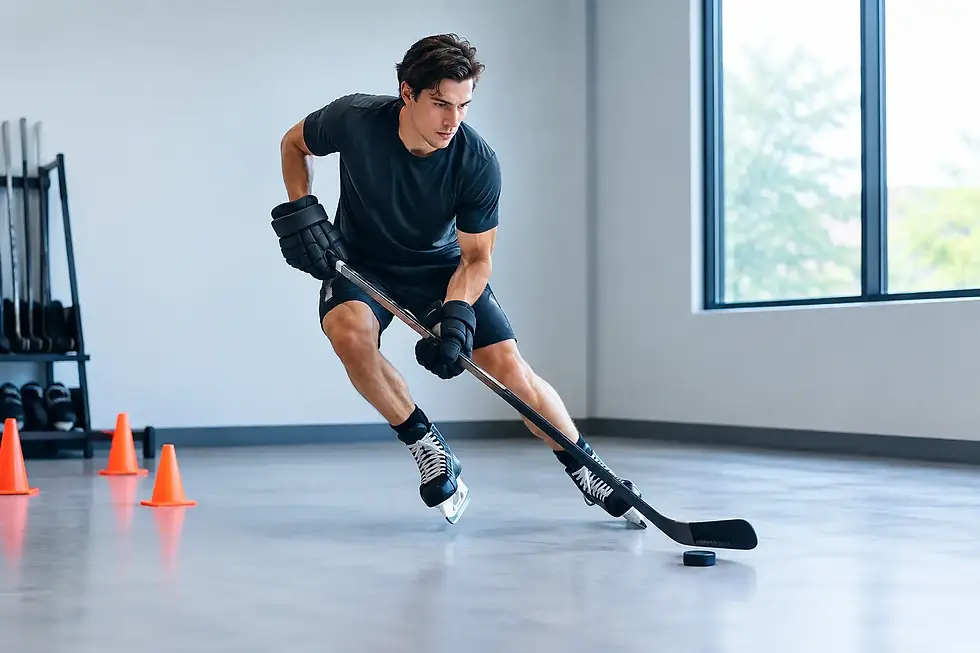
That advantage is especially clear at home and in private training settings. A compact synthetic surface can support edge drills, turns, dance steps, jump takeoffs, landing control, and off-rink skating movement that feels much closer to real ice than flooring, rubber, or studio space. For younger skaters, it can also build comfort on blades without the pressure of a public session.
Commercially, synthetic ice opens up figure skating in places where refrigerated ice makes no financial sense. Community programs, retail activations, training centers, and temporary installations can all offer skating without the cost and complexity of chillers, refrigeration equipment, and seasonal limitations.
That said, not all synthetic panels perform the same. This is where many buyers get disappointed. They assume every white plastic skating surface is close enough. It is not.
The biggest difference is glide
For figure skaters, glide is everything. If the surface feels slow, sticky, or inconsistent, technique changes fast. The skater starts compensating. Posture shifts. Push mechanics change. Confidence drops. That is why low-friction material and high-quality manufacturing matter more in figure skating than many people realize.
Better synthetic ice is built from high molecular weight material designed to reduce drag and preserve a more natural skating feel. The pressing method matters too. Dense, well-made panels deliver more consistent performance than lower-grade commodity sheets. Connection systems matter as well, because uneven joints interrupt flow and can affect edge control.
On a strong synthetic surface, skaters can practice forward and backward skating, crossovers, three-turns, mohawks, spirals, footwork patterns, and controlled jump work with real value. On a poor surface, the same drills feel like workarounds instead of training.
This is the main trade-off buyers need to understand. Synthetic ice is not identical to refrigerated ice. The goal is not fantasy. The goal is a high-performance training surface that gets close enough to support real development, year-round, in places where natural or refrigerated ice is not practical.
Can figure skaters jump and spin on synthetic ice?
Yes, but with context.
Single jumps, jump entries, landing drills, and repetition-based technical work are common use cases on synthetic ice. For developing skaters, that can be extremely valuable. It creates more touches, more confidence, and more time to refine mechanics. For advanced skaters, synthetic surfaces are often best used strategically - for drill volume, edge quality, movement patterns, and selected jump training rather than replacing every minute of rink ice.
Spins are a little more nuanced. They are possible, but they are also one of the clearest areas where surface quality shows up. Spin entry, rotation speed, and feel can vary depending on the panel material, cleanliness, and how sharp the blades are. A premium panel with lower friction will support much better results than a cheaper surface that creates too much resistance.
For coaches and serious skaters, that distinction matters. If your goal is perfect simulation of elite competitive ice, synthetic will always have limits. If your goal is more productive practice, more repetitions, and more skating access, premium synthetic ice can be a very smart investment.
Who benefits most from synthetic ice for figure skating
Beginner and intermediate skaters often see the fastest payoff. They need frequent repetition more than anything else, and synthetic ice makes that possible without constant rink trips. Parents also see the benefit quickly because practice becomes easier to fit into normal family life.
Competitive skaters can benefit too, especially when home access means more edge drills, jump setups, position work, and short focused sessions between coached practices. Not every workout needs a full arena sheet. Sometimes twenty highly specific minutes at home is what keeps technique moving forward.
Facilities and commercial operators have another kind of advantage. Synthetic ice lets them create figure skating programming in locations where refrigerated ice would be too expensive, too temporary, or too complicated to maintain. That changes the business case entirely. A durable modular surface can turn unused space into a training zone, event feature, or public attraction with year-round utility.
What to look for in a figure skating surface
If figure skating is the goal, the buying criteria should be stricter than they would be for casual public use.
First, focus on friction and glide. This is the performance category that affects everything else. Better materials create a closer-to-real-ice feel and reduce the energy loss that makes skating feel heavy.
Second, look at panel density and manufacturing quality. Sinter-pressed, high molecular weight resin panels tend to deliver better wear resistance and more reliable skating performance than lower-end alternatives. For athletes, that difference is not marketing language. It shows up in every stride.
Third, pay attention to the connection system. Figure skaters need a smooth, stable surface with minimal movement between panels. Weak connections can create gaps, edge catches, and an inconsistent feel underfoot.
Fourth, ask about maintenance. Synthetic ice should be practical to own. If the system demands constant work to stay usable, that undercuts one of the biggest reasons people buy it in the first place.
Finally, think about intended use. A small backyard training area has different requirements than a commercial teaching rink or event installation. Size, traffic level, and skill level should shape the recommendation.
Blade care matters more on synthetic ice
This is one of the most overlooked parts of the conversation.
Figure skating blades typically need more frequent sharpening on synthetic ice than on refrigerated ice. That is normal. The surface creates different wear patterns, and skaters who train regularly will notice it. This is not a reason to avoid synthetic ice. It is simply part of using the surface correctly.
Clean panels also skate better. Dirt and debris increase drag, affect consistency, and reduce the quality of the experience. A well-maintained premium surface gives much better performance than a neglected one, even if the material itself is excellent.
For families and facilities, the takeaway is simple: treat the surface like real training equipment. If skating quality matters, maintenance matters too.
Home rink or commercial rink?
For residential buyers, synthetic ice for figure skating is usually about convenience and development. The skater gets more access. The parent gets more flexibility. The household gets a training solution that does not depend on winter or public schedules. That can be a game changer, especially for motivated young athletes.
For commercial buyers, the decision is more about utilization and return. Can this surface support lessons, camps, public skating, seasonal programming, or special events? Can it handle traffic? Will it keep users engaged? The best systems can do all of that while avoiding the capital and operating burden of refrigerated ice.
This is where a performance-led supplier stands apart from commodity panel sellers. Materials, engineering, and long-term skating quality affect whether the rink becomes an asset or a headache. SmartRink has built its reputation around that difference, with a focus on glide, durability, and measurable skating performance rather than just selling plastic panels.
So, is synthetic ice worth it for figure skaters?
If you buy for price alone, maybe not. Low-end surfaces can create too much friction and too many compromises to support serious figure skating well.
If you buy for performance, the answer changes. High-quality synthetic ice can give figure skaters more training time, more repetition, and more flexibility without the cost and limits of refrigerated ice. It will not replace every need for arena ice. It does not have to. What it can do is create a real skating environment where progress happens more often.
That is usually the difference that matters most. Better skaters are built through quality reps, not perfect conditions, and the right surface gives you more chances to put the work in.

Comments